Many retail and hospitality employers in Australia skip the traditional one-on-one chat at the start. Instead, they bring several applicants in together, or invite you to work a short trial shift so they can see you in action. Both formats can feel nerve-racking, especially if you are new to the workforce.
The good news is that these formats reward things you can control: preparing well, being friendly, listening, and working well with others. You do not need a perfect résumé to do well. This guide explains what usually happens and what you can do to stand out.
What a group interview usually involves
A group interview puts several candidates in the same room with one or two managers. The format varies from business to business, but you might see some of these:
- A short welcome and an overview of the business and the role
- Round-robin questions, where each person answers in turn
- A team activity, such as solving a customer problem together
- A role-play, like recommending a product or handling a complaint
- A brief one-on-one chat at the end
Managers are usually watching how you communicate, listen and treat the other candidates, not only what you say. In retail and hospitality you spend your day working with teammates and the public, so these things matter a lot.
What a trial shift usually involves
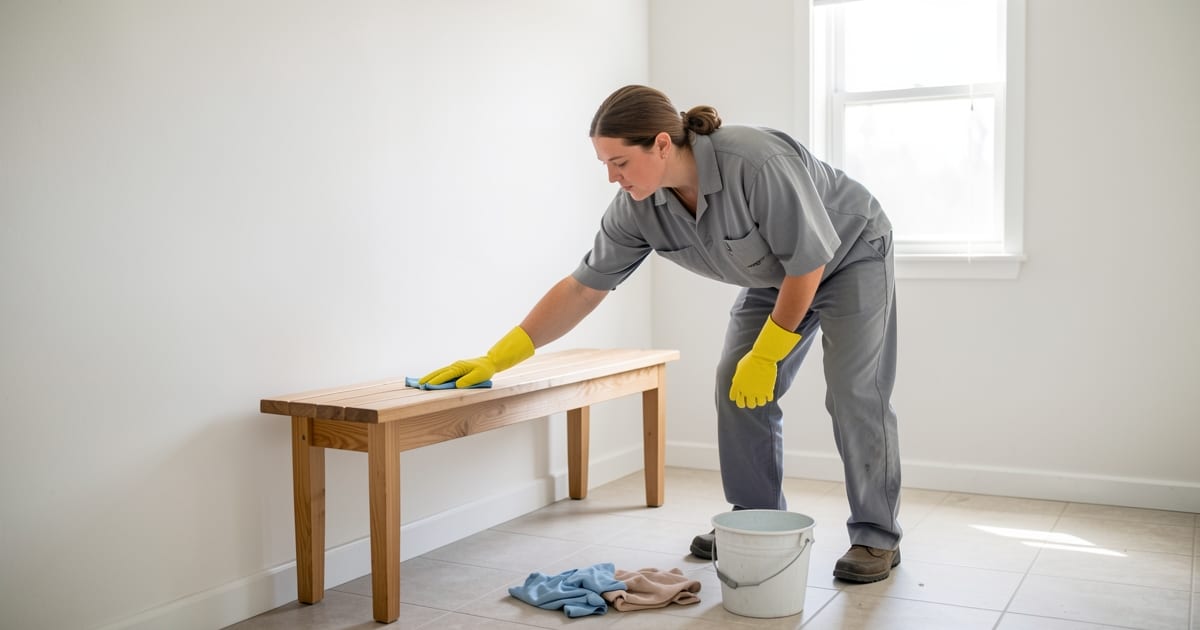
A trial shift (sometimes called a working interview) is a short period where you do real or practice tasks alongside the team. In a café, that might be clearing tables, learning the coffee machine or taking orders. In a clothing or homewares store, it might be restocking, greeting customers or learning the register.
The length and tasks vary, so ask beforehand. During the trial, a manager is typically watching for:
- Punctuality and a tidy, appropriate appearance
- A positive attitude and willingness to help
- How quickly you pick up instructions
- How you speak to customers and colleagues
- Whether you find something useful to do in quiet moments
Check the details before a trial
Before a trial shift, confirm how long it will run, what to wear, who to ask for on arrival, and whether you need to bring any documents. It is also reasonable to ask whether the trial is paid.
Whether a trial is paid, and under what conditions, is a matter of workplace law and depends on the circumstances. Do not rely on hearsay. Check the Fair Work Ombudsman website or contact them directly if you are unsure.
A polite way to ask is:
Thanks for the invitation. Could you let me know how long the trial will run and whether it will be paid? I want to be sure I arrive prepared.
A good employer will not mind this question.
How to prepare
A little preparation puts you ahead of many other candidates. Try this order:
- Confirm the logistics. Note the time, address, dress expectations, who to ask for and how long it will last.
- Get to know the business. Visit as a customer if you can. Notice how staff greet people, what the layout looks like and what the busy times feel like.
- Prepare a 30-second introduction. Say your name, a little about your background or study, and why you want to work there.
- Choose three short stories. One about helping someone, one about working in a team and one about staying calm under pressure. School, sport, volunteering, family businesses and previous jobs all count.
- Plan your trip. Aim to arrive about 10 minutes early. Check public transport or parking so you are not rushing.
- Sort your outfit. Choose clean, neat clothes. For hospitality or stockroom work, wear comfortable closed shoes unless told otherwise. If you are unsure, ask about the dress code.
How to stand out in a group interview
In a group, it is easy to think you must be the loudest. You do not. Managers usually prefer someone who is confident, kind and easy to work with.
Be warm to everyone
Smile, say hello and introduce yourself to the other candidates while you wait. Managers often notice how you behave before the interview officially starts. Treat reception staff and other applicants the way you would treat a customer.
Listen and build on what others say
In group activities, show that you are listening. You can say things like, That is a good point. Could we also try... This shows teamwork without taking over.
Share the airtime
Speak up early at least once, so you are not forgotten. If one person is dominating, you can invite a quieter person in by asking what they think. Do not talk over others or put them down, even if you disagree.
Keep answers short and specific
General answers like I am a hard worker are forgettable. A simple structure helps: the situation, what you did, and what happened.
For example, if asked about handling a difficult customer, you might say:
At my part-time job at a canteen, a customer was upset about a long wait. I apologised, checked on their order and let them know how long it would take. They thanked me for being honest and waited.
That answer is short, honest and shows how you behave.
Handle role-plays calmly
If you are asked to role-play, stay in the scenario and be friendly. Greet the customer, ask a question to understand what they need, offer a solution and check that they are happy. You are not expected to know every product detail. Being polite and willing to find out is enough.
How to stand out in a trial shift
A trial shift is about showing what you would be like as a colleague on an ordinary day. These habits help:
- Arrive early and put your phone away. Keep it out of sight unless you are told otherwise.
- Listen closely to instructions. Repeat key steps back to check you have understood, and jot down quick notes if it is appropriate.
- Ask questions. It is better to ask than to guess, especially with food, cash or safety tasks.
- Stay busy. If there is a lull, wipe a bench, tidy a shelf or restock. Ask, Is there anything else I can help with?
- Greet customers. A friendly hello and eye contact go a long way, even if you are still learning.
- Be honest about what you do not know. Saying I have not used this before, could you show me? is far better than pretending.
- Take feedback well. If someone corrects you, thank them and apply it straight away.
- Follow hygiene and safety instructions. Take them seriously, particularly around food, equipment and lifting.
- Respect the way the team works. Do not rearrange things or suggest big changes on your first day. Notice what you see and keep it for later.
Remember that nobody expects you to be fast on day one. They are looking at attitude, willingness to learn and how you treat people.
Common mistakes to avoid
- Arriving late or at the last minute, flustered
- Dressing too casually or wearing unsuitable shoes
- Speaking negatively about a past employer or workplace
- Dominating the group or staying completely silent
- Using your phone, even briefly
- Standing around waiting to be told what to do
- Promising availability you cannot keep
Questions you can ask
Asking a couple of thoughtful questions shows you are serious. You might ask:
- What does a typical shift look like in this role?
- How do you train new team members?
- What do the busiest times look like?
- What would make someone really successful here in the first month?
- What are the next steps and when can I expect to hear back?
Save questions about pay and rosters for the right moment, usually once you have an offer or when the employer raises them. If you need to confirm your availability, be clear and realistic.
After the interview or trial
If you have an email address or contact number for the manager, send a short thank-you message within a day. Keep it simple:
Hi, thank you for the chance to meet the team today. I enjoyed learning about the role and would be glad to join. Please let me know if you need anything else from me.
If they gave you a timeframe and you have not heard back by then, a polite follow-up is fine. If you are not successful, you can ask whether they have any feedback. Not every employer will respond, but some will, and it helps with your next attempt.
Every group interview and trial shift is practice, even when it does not lead to an offer. Over time you will feel more at ease, and that comfort shows.
Quick checklist
- Confirm time, place, dress and duration
- Ask politely whether a trial is paid, and check official government sources if you are unsure
- Research the business as a customer
- Prepare a short introduction and three examples
- Arrive early with your phone away
- Be friendly to everyone, listen, and share the airtime
- Stay busy and ask questions during trials
- Send a short thank-you afterwards