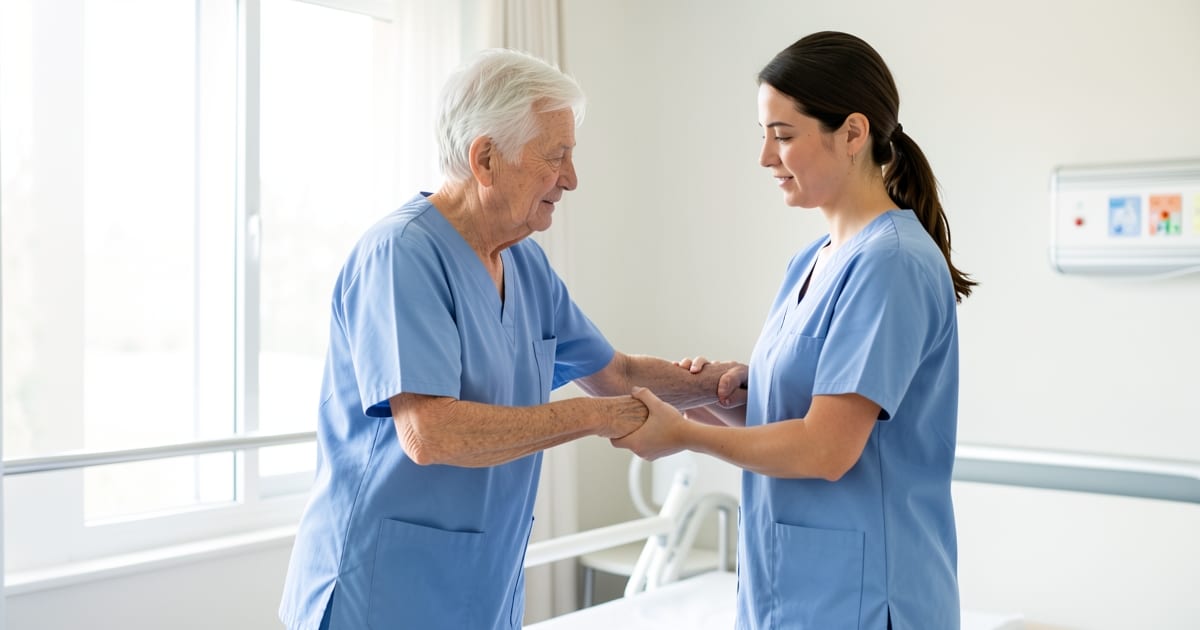
What caregiver jobs are available in the US
In the United States, "caregiver" covers several distinct roles. The most common are:
Certified Nursing Assistant (CNA): Works under the supervision of nurses in hospitals, nursing homes, and clinics. Tasks include bathing, dressing, feeding, and toileting residents or patients, recording vital signs, and helping with mobility.
Home Health Aide (HHA): Provides personal care and household support to clients in their own homes. Often the role includes meal preparation, light housekeeping, and assistance with daily activities.
Personal Care Assistant: Similar to HHA work but may fall outside formal healthcare settings and may require less formal certification depending on the state and employer.
Nursing Support Staff: General roles in hospitals and care facilities that may not require certification but often lead to CNA training.
Hospitals, nursing homes, assisted-living facilities, and private households all hire caregivers. Pay, schedule stability, and working conditions vary significantly by setting and location.
Certification: The essential gate
This is crucial to understand: US employers almost always require or strongly prefer state certification, especially for hospital and facility work.
If you trained as a nurse or healthcare worker in Nigeria, your qualification is not automatically recognized in the US. You cannot simply apply that credential and begin work. You will need to pursue US-based certification and pass US state exams.
CNA training typically takes 4 to 12 weeks depending on the state and training programme. It combines classroom learning (anatomy, patient rights, infection control) and clinical practice in a healthcare setting, followed by a state-administered competency exam. After passing, you receive a CNA certificate valid in that state.
HHA training is usually shorter—sometimes 4 to 8 weeks—and focuses on in-home care skills, safety, and client interaction. Certification requirements vary by state; some states require it, others do not, but employers often prefer certified HHAs.
Requirements differ by state, so research the specific state where you plan to work. Many states offer CNA programmes through community colleges, vocational schools, and private training providers. Costs range widely, so compare programmes and funding options in your target state.
Understanding US pay for caregiver roles
Caregivers' pay in the US varies by multiple factors:
- State: Cost of living and labour demand differ widely. States in the Northeast and West Coast often pay more than rural or Southern states.
- Employer type: Hospitals typically pay higher base wages than nursing homes or in-home care agencies. Private households may offer lower hourly rates but sometimes include room and board.
- Experience and specialty: Caregivers with extra training in dementia care, post-surgical support, or other specialties may earn more. Years of experience also increase pay.
- Shift and hours: Night shifts, weekend work, and on-call roles often pay premium rates. Full-time roles may offer benefits such as health insurance and paid leave.
For current, reliable pay data, check the US Bureau of Labor Statistics website and your target state's labour department. Salaries are updated regularly and broken down by state and role.
If an employer offers a live-in position, clarify whether room and board are deducted from your pay, and get the net amount in writing. Understand the total cost of living in your target area so you can assess whether the offer truly allows you to save or support dependents.
Foreign credentials and US recognition
A nursing diploma or healthcare qualification from Nigeria will not transfer directly. Here's why and what you need to do:
The US healthcare system has different standards, terminology, and scope of practice. A Nigerian nurse is not automatically recognized as a nurse in the US. If you hold a nursing degree and want to work as a registered nurse (RN) in the US, you would typically need to complete additional education, pass the NCLEX-RN exam, and obtain a nursing license. That path is separate from caregiver roles and generally takes years.
For entry-level caregiver positions, most Nigerians start with CNA or HHA certification in the US, regardless of prior healthcare experience in Nigeria. Some training programmes may recognize relevant work experience and allow you to progress more quickly, but this is not automatic.
Before enrolling in any training, verify that the programme is accredited and accepted in the state where you plan to work. Confirm that upon completion, you will be eligible to sit the state certification exam.
Visa pathways for Nigerian caregivers
Work authorization in the US is the largest hurdle. Here are the main options:
EB-3 Employment-Based Visa: This is the primary route for unskilled and semi-skilled healthcare workers. An employer must sponsor you and file a labour certification, which shows they cannot find a US worker for the role at the prevailing wage. Processing times are very long—often several years—and you must meet the employer's prevailing wage obligation, which varies by state and occupation.
Caregiver and aide roles typically fall under the unskilled category of EB-3, which has significant backlogs. Some licensed roles such as nurses may fall under the skilled category with different wait times.
An EB-3 sponsorship requires:
- An employer willing to sponsor you (and paying legal fees, which are their responsibility, not yours).
- Labour certification showing no available US workers.
- Proof you meet the job requirements.
- Processing through USCIS and the State Department.
Other visa types: H-1B visas are primarily for specialty occupations and do not typically apply to entry-level caregiver jobs. TN visas (for Canadian and Mexican citizens) are not available to Nigerians. Other temporary work permits have strict eligibility criteria and are not reliable for caregiver roles.
[Editor: confirm whether any other visa pathways (such as EB-2 with PERM for nurses, or specific state-sponsored programmes) are currently available and relevant to caregivers from Nigeria.]
Red flags: Avoiding fraud
Before engaging with any employer or recruitment agency:
- Never pay upfront fees for visa sponsorship, job placement, or training. Legitimate employers cover visa and recruitment costs.
- Never trust guaranteed job promises or promises of "fast visa processing." Immigration processing has set timelines; no one can expedite them outside official channels.
- Verify the employer's standing. Check the hospital or care facility's accreditation, licensing, and reputation. Ask for references and speak to current or former employees if possible.
- Consult a qualified immigration attorney before signing any employment contract or visa application. Many reputable law firms offer initial consultations at low cost.
Where to find caregiver jobs in the US
Online job boards:
- Indeed.com
- Glassdoor
- CareerBuilder
Filter by location, role type (CNA, HHA), and visa sponsorship availability. Many job postings will specify whether the employer sponsors visas.
Healthcare staffing agencies: Agencies that specialize in healthcare recruitment often place caregivers and may facilitate visa sponsorship. Verify the agency's reputation and licensing before applying.
State workforce development agencies: Each US state has a labour department or workforce agency that lists job openings, training programmes, and can advise on local hiring.
Hospital and nursing-home recruitment: Large healthcare systems sometimes run international recruitment programmes. Contact human resources departments directly to ask about international hiring.
Professional associations: Organizations such as nursing associations sometimes list job boards and may have guidance for foreign-trained healthcare workers.
Getting started: Your practical steps
- Decide which state. Research cost of living, pay rates, and demand for caregivers. States with high demand for care workers may be more open to visa sponsorship.
- Research CNA or HHA training in that state. Understand the programme length, cost, prerequisites, and exam requirements.
- Consider timing. Training and certification take weeks to months. Visa sponsorship, if pursued, adds years. Plan accordingly.
- Begin job searching while in training or immediately after certification. Apply to employers who explicitly mention visa sponsorship.
- Consult an immigration attorney before accepting any job offer involving visa sponsorship. Do not sign agreements you do not fully understand.
- Verify everything. Confirm employer licensing, ask for references, and trust your instincts.